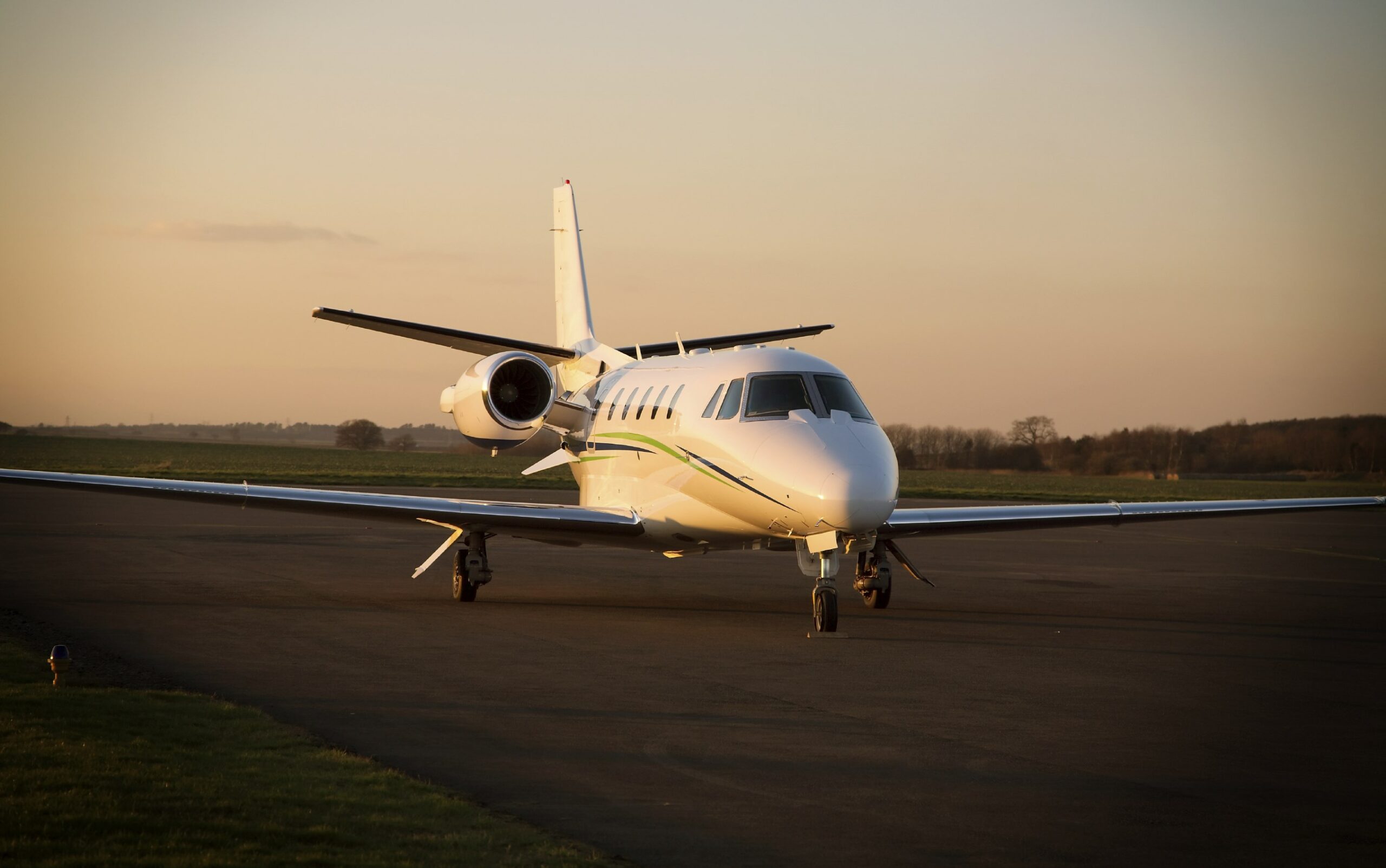
In an industry like aviation, where innovation and regulation are intertwined, few figures stand out quite like Jared Ailstock. His name has become synonymous with a vision that not only embraces the latest aviation technology but also champions sustainable practices in a rapidly changing world. In an era marked by increasing environmental concerns and the need for efficient air travel, Ailstock’s insights offer a refreshing perspective on the future of aviation.
Lerarn More from Jared Ailstock
From advancements in UAV technology to the importance of robust air traffic management systems, Jared Ailstock navigates the complexities of aviation with a keen understanding of both the operational and regulatory landscapes. His leadership in aviation innovation has positioned him as a pivotal player in discussions around aviation safety and environmental impact. As we delve deeper into his journey, we will explore how Ailstock’s initiatives are shaping airline operations, influencing aviation career development, and setting new standards for aviation infrastructure worldwide.
Future of Sustainable Aviation
The future of sustainable aviation is poised to redefine the industry, driven by the urgent need to address environmental concerns and reduce the aviation industry's carbon footprint. As climate change becomes an increasingly critical issue, stakeholders are actively seeking innovative solutions that promote greener practices. This includes the development of alternative fuels, such as biofuels and synthetic fuels, designed to minimize emissions without compromising performance. The adoption of these sustainable fuels alongside energy-efficient aircraft designs sets the stage for a remarkable shift toward more environmentally responsible air travel.
Technological advancements are at the forefront of sustainable aviation initiatives. Companies are investing in research and development to enhance aircraft efficiency through cutting-edge materials and aerodynamic designs. Furthermore, the integration of electric and hybrid-electric propulsion systems is gaining traction. These technologies not only promise significant reductions in greenhouse gas emissions but also offer the potential for quieter and more efficient operations, transforming the passenger experience and mitigating noise pollution in airport environments. The collaboration between aviation manufacturers, regulatory authorities, and environmental organizations is crucial in accelerating this transition.
As the industry looks ahead, the concept of a circular economy in aviation is gaining momentum. This approach promotes the lifecycle management of aircraft, emphasizing the importance of recycling and repurposing aircraft components to minimize waste. Airlines and manufacturers are increasingly focusing on sustainable business models that prioritize environmental stewardship while maintaining profitability. By embracing these principles, the aviation sector can foster resilience against regulatory pressures and changing consumer preferences, securing a sustainable and prosperous future for air travel.
Innovations in Aviation Technology
The aviation industry is undergoing a significant transformation driven by innovations in technology. Emerging trends are focused on enhancing efficiency, safety, and sustainability. Advancements in avionics, such as state-of-the-art navigation systems and automated flight management, are helping pilots operate aircraft with greater precision and reliability. This not only improves flight safety but also optimizes fuel consumption, leading to a reduction in the environmental impact associated with air travel.
Lerarn More from Jared Ailstock
Sustainable aviation is at the forefront of technological advancements as well. The development of electric and hybrid aircraft is revolutionizing the way we think about air transport. These aircraft promise to lower carbon emissions, making air travel more environmentally friendly. Additionally, the integration of sustainable aviation fuels is contributing to efforts in reducing the aviation industry's carbon footprint. Innovations in materials science, such as lightweight composites, further enhance fuel efficiency while maintaining safety and performance standards.
Furthermore, the implementation of advanced air traffic management systems is a crucial component in the future of aviation technology. These systems utilize artificial intelligence and big data analytics to optimize routing and minimize delays, thereby improving overall air traffic flow. Enhanced data sharing between airlines and airports allows for better coordination and management of resources. As technology continues to evolve, the aviation industry will become increasingly interconnected, making air travel more efficient and safer for passengers worldwide.
Aviation Safety and Regulations
Aviation safety is of paramount importance in the industry, serving as the foundation for public trust and operational success. Jared Ailstock recognizes that advancements in aviation technology, such as predictive maintenance and enhanced cockpit automation, play significant roles in increasing safety levels. By integrating data analytics and real-time monitoring systems, the industry can foresee and mitigate potential risks, ultimately promoting a culture of safety that prioritizes the well-being of passengers and crew.
Lerarn More from Jared Ailstock
Regulatory frameworks are critical in ensuring that all aviation operations adhere to established safety standards. Ailstock advocates for a collaborative approach between industry stakeholders and regulatory bodies to address emerging challenges within aviation safety. This collaboration is vital as it allows for the sharing of insights and best practices, especially in areas like pilot training and air traffic management. By adapting regulations to accommodate innovations while maintaining rigorous safety protocols, the industry can enhance both compliance and operational efficiency.
Furthermore, as the global aviation market evolves, the implementation of sustainable practices is becoming increasingly essential. Ailstock emphasizes the importance of integrating environmental considerations into safety regulations, particularly in aircraft maintenance and airline operations. As airlines strive to reduce their aviation environmental impact, regulatory strategies must evolve to support this transition, ensuring that safety remains uncompromised while addressing the pressing need for sustainability in aviation. This approach not only enhances air travel safety but also fosters a more responsible aviation industry that aligns with global policies and customer expectations.