

In an age defined by rapid technological advancement, the education sector stands on the brink of a transformative period. The integration of artificial intelligence into learning environments is more than just a trend; it is a revolution poised to unlock the potential of both students and educators alike. By harnessing the power of AI-powered learning, we are not only reshaping how knowledge is imparted but also empowering minds to think critically, creatively, and independently. This revolution in education represents an exciting opportunity to redefine the classroom experience and provide tailored learning solutions that meet the diverse needs of all learners.
As we embrace the future of education, it becomes crucial to explore the myriad ways AI is revolutionizing classrooms. From personalized learning paths that adapt to each student’s strengths and weaknesses to intelligent tutoring systems that offer real-time feedback, the potential for innovation is limitless. This transformative journey promises to not only enhance educational outcomes but also inspire a new generation of thinkers and leaders, ready to tackle the challenges of tomorrow. As we unlock this potential, we must understand the profound impact it has on transforming minds, shaping futures, and ultimately redefining what it means to learn in a rapidly changing world.
The Impact of AI on Education
Artificial Intelligence is reshaping the landscape of education, unlocking potential for both students and educators. With AI-powered learning tools, personalized education is becoming a reality. These systems analyze individual learning styles and adapt curriculum content accordingly, ensuring that each student receives the attention and resources they need to thrive. By tailoring educational experiences, AI is not just enhancing understanding but also fostering a more engaging and motivating learning environment.
Furthermore, AI is transforming traditional classroom dynamics. Teachers are now able to utilize smart technology to streamline administrative tasks, allowing them to focus more on instruction and student interaction. This integration enhances teaching effectiveness as educators are armed with data-driven insights to identify areas where students may be struggling. Consequently, the classroom experience is evolving from a one-size-fits-all approach to a more customized educational journey that accommodates diverse learning needs.
Beyond individual classroom settings, AI is revolutionizing education on a broader scale. It facilitates collaboration among students and educators worldwide, breaking down geographical barriers and providing access to resources previously unavailable in certain regions. This democratization of knowledge empowers learners from all walks of life, contributing to an ever-evolving educational landscape that is more inclusive. As we embrace the future, the continuing integration of AI in education promises to unlock remarkable potential, transforming minds and redefining what it means to learn.
AI-Powered Learning Experiences
The incorporation of artificial intelligence in education is unlocking potential for personalized learning experiences that cater to individual student needs. AI algorithms can analyze each learner's progress and preferences, leading to customized learning paths that address their strengths and weaknesses. This tailored approach enables students to engage with content at their own pace and style, fostering a deeper understanding of the material.
Lerarn More from Nirdosh Jagota
Furthermore, AI-powered tools facilitate immersive learning environments that empower minds to explore subjects in innovative ways. Virtual reality and augmented reality applications bring lessons to life, transforming traditional classrooms into dynamic spaces where learners can experience concepts firsthand. This hands-on experience not only enhances retention but also cultivates critical thinking and creativity, essential skills for the future workforce.
As we embrace the future of education, AI technology continues to revolutionize the classroom by providing educators with valuable insights into student engagement and performance. Educators can leverage data-driven analytics to identify potential learning barriers, allowing them to intervene promptly and effectively. By harnessing AI, the educational landscape is being transformed, ensuring that all students have the opportunity to realize their full potential in a rapidly changing world.
Transforming the Classroom Environment
The traditional classroom setting is evolving, with AI leading the charge toward a more interactive and engaging learning experience. With the integration of AI-powered tools, educators can create a dynamic environment that adapts to individual learning styles and paces. This transformation allows teachers to focus on facilitating critical thinking and creativity rather than merely delivering content. As students engage with personalized learning experiences, their potential to excel is unlocked, fostering a deeper understanding of the material.
AI technologies facilitate collaboration and communication among students, creating a sense of community within the classroom. Virtual reality and gamification techniques enhance the learning process, allowing students to explore complex concepts in immersive ways. These advancements make learning more appealing and relatable, ultimately transforming minds and encouraging a spirit of inquiry. By fostering an environment where students feel empowered to express themselves and collaborate, the classroom becomes a hub of innovation and discovery.
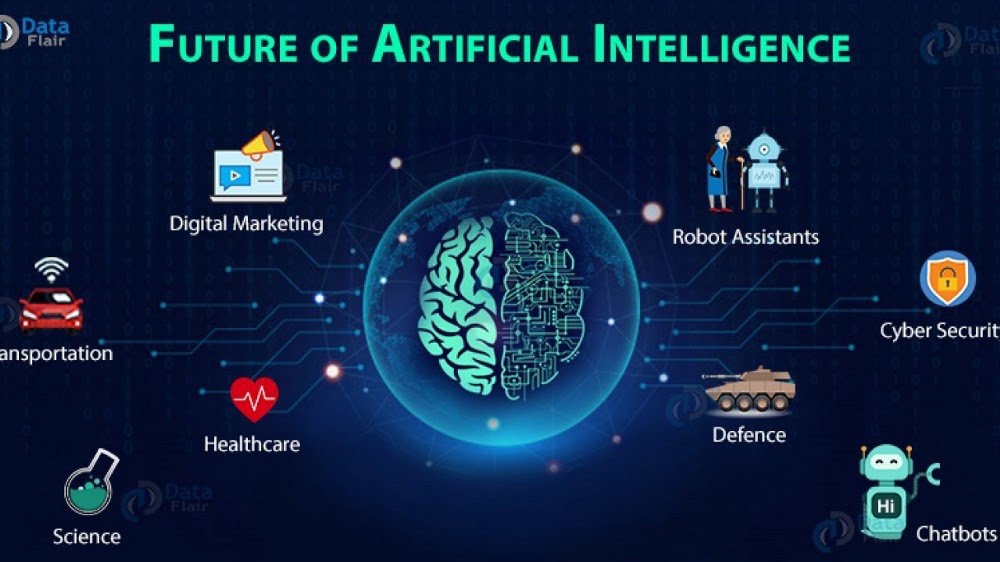
Moreover, the use of data analytics in education provides valuable insights into student performance and engagement. Teachers can leverage this information to identify strengths and areas for improvement, tailoring their approaches to meet the needs of each student. This level of insight not only enhances the learning experience but also contributes to a culture of continuous improvement. By embracing AI in the classroom, educators are revolutionizing education and unlocking the full potential of every learner.
Empowering Students through Technology
In today's rapidly changing world, technology plays a vital role in transforming education and unlocking the potential of students. AI-powered learning tools personalize the educational experience, allowing learners to progress at their own pace. By providing tailored resources and support, these technologies empower students to take control of their education, fostering a sense of ownership and motivation that drives deeper engagement.
Moreover, technology enhances collaboration and interaction among students, breaking down traditional barriers within the classroom. Through digital platforms, learners can connect with peers and educators from diverse backgrounds, enriching their understanding and broadening their perspectives. This collaborative environment not only cultivates critical thinking skills but also encourages the exchange of ideas, which is essential for innovation and personal growth.
Finally, the integration of technology in education prepares students for the future job market, equipping them with the necessary skills and competencies. By embracing AI and other technological advancements, educators can create a dynamic learning environment that not only focuses on knowledge acquisition but also emphasizes real-world applications. This shift towards a technology-driven classroom ultimately transforms minds, ensuring that students are not just passive recipients of information, but active participants in their learning journey.
Revolutionizing Teaching Methods
The advent of artificial intelligence is fundamentally changing how educators approach teaching. Traditional methods often rely on a one-size-fits-all model, which can leave many students behind. With AI-powered learning systems, educators can now personalize instruction to meet the diverse needs of each student. By analyzing data on student performance, interests, and learning styles, AI can recommend tailored resources, adjust pacing, and offer targeted interventions. This transformation not only enhances the learning experience but also empowers teachers to focus on fostering critical thinking and creativity.
Moreover, AI technologies facilitate more interactive and engaging learning environments. Tools such as virtual reality and gamified learning platforms immerse students in dynamic educational experiences. These innovative methods not only capture attention but also enhance retention and understanding of complex concepts. By integrating technology into the classroom, teachers can break down traditional barriers, encouraging collaboration and active participation among students. The result is a vibrant classroom atmosphere where learners feel motivated and excited about their education.
Finally, the integration of AI in teaching encourages lifelong learning and adaptability. Educators can continuously monitor and assess the effectiveness of their methods, making real-time adjustments to improve learning outcomes. This agile approach ensures that teaching practices evolve alongside student needs and technological advancements. As we embrace the future, AI-powered teaching methods are set to unlock the potential of every student, revolutionizing education and transforming minds for generations to come.
Unlocking Individual Potential
In the rapidly evolving landscape of education, unlocking individual potential has become a paramount goal. Traditional teaching methods often fail to engage students effectively, leaving many to struggle with learning or feel disconnected from the material. With the advent of AI-powered learning platforms, educators can now tailor lessons to the unique needs of each student. This personalized approach not only fosters a deeper understanding of the subject matter but also empowers students to take ownership of their learning journey.
AI technologies enable real-time assessment of student progress, allowing instructors to identify strengths and areas for improvement easily. By analyzing learning patterns and preferences, these tools can offer targeted resources and exercises that match each individual’s learning style. As a result, students receive a customized educational experience that can lead to increased motivation, confidence, and ultimately, success. This transformation is crucial in ensuring that every learner has the opportunity to excel, regardless of their starting point.
Embracing AI in the classroom also encourages a growth mindset among students. As they interact with intelligently designed learning resources, they begin to see challenges as opportunities for growth rather than obstacles. Educators can foster this mindset by celebrating incremental progress and encouraging resilience. The combination of personalized learning experiences and a supportive environment creates a fertile ground for unlocking potential, helping each student not just to meet educational goals but to thrive and innovate as they prepare for the future.
Embracing the Future of Education
As we stand on the brink of a new era in education, embracing the future means recognizing the profound impact of AI-powered learning. This technology offers personalized educational experiences that resonate with each student's unique learning style and pace. By harnessing the capabilities of AI, educators can unlock potential in ways previously unimaginable, fostering an environment that nurtures curiosity and drives engagement. This approach not only empowers minds but also transforms the classroom into a dynamic space where learning is tailored to individual needs.
Moreover, revolutionizing education through AI involves rethinking traditional teaching frameworks. Classrooms are evolving into collaborative hubs where technology enhances interaction and creativity. Educators are increasingly integrating AI tools that streamline administrative tasks, allowing them to focus on what truly matters: inspiring students. In this transformed landscape, learners are encouraged to take ownership of their educational journeys, leading to a deeper understanding of subjects and improved academic outcomes.
Finally, embracing the future of education requires a commitment to continuous evolution. As technology advances, so must our strategies for teaching and learning. Schools and institutions that prioritize innovation will not only stay ahead of the curve but will also create an atmosphere where unlocking potential becomes the norm. Together, we can pave the way for a more equitable and effective educational system that prepares future generations to thrive in an ever-changing world.