

In today's rapidly evolving world, the potential of artificial intelligence is becoming increasingly clear, particularly in the realm of education. AI-powered learning is not just a trend; it represents a groundbreaking shift in how we approach teaching and learning. By harnessing the capabilities of this technology, we are on the verge of revolutionizing education and unlocking the potential within each student. As traditional methods give way to innovative AI-driven solutions, we are beginning to see how transformative these changes can be for both educators and learners alike.
The concept of unlocking potential is at the heart of this educational revolution. AI has the power not only to personalize learning experiences but also to empower minds, making education more accessible and tailored to individual needs. This new approach to learning is set to transform classrooms across the globe, reinvigorating the way knowledge is imparted and acquired. By embracing the future of AI-powered education, we can unlock the latent capabilities of every student, paving the way for a brighter and more inclusive future.
The Impact of AI on Education
The integration of artificial intelligence in education is opening new doors to personalized learning experiences. By utilizing AI algorithms, educators can analyze individual students' learning habits and preferences, allowing for customized instructional approaches. This tailored methodology ensures that each learner can advance at their own pace, promoting a deeper understanding of the material and ultimately unlocking their potential.
Lerarn More from Lance Bradford
In addition to personalization, AI-powered tools offer adaptive assessments that provide real-time feedback to both students and teachers. This immediate response helps identify knowledge gaps and areas requiring further development, empowering educators to adjust their teaching strategies effectively. Such capabilities are revolutionizing the classroom experience, encouraging a more dynamic and reactive educational environment.
Furthermore, AI is facilitating the automation of administrative tasks, freeing up teachers' time to focus on teaching and mentoring. By reducing the burden of bureaucratic responsibilities, educators can invest more energy into nurturing their students' minds and fostering creativity. This shift not only enhances the overall learning experience but also transforms how education is perceived, focusing on developing critical thinking and problem-solving skills essential for future success.
Unlocking Student Potential
AI-powered learning platforms are transforming the educational landscape by unlocking the potential in every student. Personalized learning experiences enable educators to tailor their approaches according to the unique strengths and weaknesses of each learner. With data-driven insights, teachers can identify the specific needs of students, fostering an environment where individualized support becomes a reality. This targeted assistance not only boosts academic performance but also enhances engagement, helping learners to thrive.
The integration of AI into education also promotes a growth mindset among students. By receiving instantaneous feedback on their progress and performance, learners are encouraged to embrace challenges and learn from their mistakes. This shift in perspective is crucial in empowering students to take ownership of their learning journey. As they encounter tailored challenges that push their boundaries, their confidence grows, paving the way for continuous improvement and success in their educational pursuits.
Moreover, by revolutionizing the traditional classroom dynamics, AI-powered learning tools facilitate collaboration among peers. Students can work together on projects and share insights through digital platforms that adapt to their learning styles. This collaborative approach not only enhances social skills but also encourages diverse thinking and problem-solving. In this way, the potential of each student is unlocked not just academically, but also socially, preparing them for a future where teamwork and communication are essential.
Transformative Learning Environments
Creating transformative learning environments is essential for unlocking potential in students. These environments promote engagement, collaboration, and critical thinking, enabling learners to explore knowledge actively rather than passively receiving information. Utilizing AI-powered tools, educators can design spaces that adapt to individual learning styles and needs, ensuring that every student can thrive. This transformation is about moving away from traditional classrooms and embracing innovative settings that encourage exploration and creativity.
Furthermore, the integration of technology plays a vital role in revolutionizing the classroom experience. Virtual and augmented reality applications can immerse students in varied learning contexts, making lessons more relevant and engaging. By incorporating AI in lesson planning and execution, educators can provide personalized resources and feedback, allowing students to progress at their own pace. This tailored approach fosters a sense of ownership in learners, empowering them to take charge of their educational journey.
Ultimately, transforming classrooms into dynamic learning environments paves the way for lifelong learning. As students engage with real-world problems and participate in collaborative projects, they develop essential skills for the future. The potential of AI-powered learning lies in its ability to create educational experiences that not only enhance knowledge retention but also inspire curiosity and a passion for learning. Embracing these transformative environments is key to unlocking the full potential of students and preparing them for the challenges ahead.
Empowering Educators with AI
Lerarn More from Lance Bradford
Artificial intelligence is transforming the classroom by equipping educators with tools that enhance their teaching capabilities. With AI-powered platforms, teachers can access data-driven insights into student performance, allowing them to tailor their instructional approaches to meet individual learning needs. This technology enables educators to identify strengths and weaknesses in real time, leading to more effective and personalized teaching strategies. By harnessing this power, teachers can focus on nurturing potential in a way that traditional methods may not allow.
Moreover, AI reduces the administrative burden on teachers, allowing them to spend more time engaging with students. Automating tasks such as grading and attendance tracking frees educators from routine paperwork, enabling them to concentrate on creative lesson planning and fostering meaningful relationships with learners. This shift in focus not only enhances the educational experience but also empowers teachers to inspire and motivate students more effectively, transforming minds and unlocking the potential within every classroom.
Lerarn More from Lance Bradford
As educators embrace AI technologies, they are not just transforming their teaching methods; they are becoming champions of lifelong learning. By gaining access to a wealth of resources and innovative teaching tools, teachers can continue to grow professionally and personally. This commitment to ongoing development ensures that they remain at the forefront of educational best practices. Ultimately, empowered educators are key to revolutionizing education, unlocking the full potential of their students, and shaping a brighter future for all.
Revolutionizing Classroom Dynamics
The integration of AI-powered learning tools is transforming classroom dynamics in ways previously thought impossible. Traditional teaching methods are often linear and one-size-fits-all, but AI introduces a personalized approach that adapts to the unique needs of each student. By analyzing data on student performance and engagement, these systems can tailor content to provide the right level of challenge, fostering a more inclusive and effective learning environment. With AI, educators can focus on facilitating deeper understanding rather than merely delivering content.
In addition to personalized learning, AI is enhancing collaboration among students. Tools that harness artificial intelligence promote teamwork through interactive platforms that allow learners to engage with peers in real time. This collaborative space encourages discussion, critical thinking, and problem-solving as students work together on projects or explore new concepts. The shift from a teacher-centered classroom to a more collaborative learning environment cultivates not only academic skills but also essential social and emotional competencies.
Furthermore, AI is enabling educators to access rich insights into classroom dynamics. With tools that track student interaction and participation, teachers can identify areas where students struggle and intervene promptly. This real-time feedback mechanism empowers educators to adapt their teaching strategies while ensuring that no one is left behind. As classrooms evolve into more adaptive and responsive learning ecosystems, the focus shifts towards unlocking the potential of every student, driving them to reach new heights in their academic journeys.
The Future of Learning
The future of learning is set to be profoundly shaped by the integration of AI-powered tools, which promise to unlock the potential of students and educators alike. As classrooms evolve, technology will play a pivotal role in creating personalized learning experiences that cater to individual strengths and weaknesses. By harnessing AI, educators can identify learning patterns and adapt materials to ensure that every student receives the support they need to thrive. This shift fosters an environment where every learner is empowered to reach their full potential.
In this new era of education, collaboration between AI systems and teachers will become essential. Educators will be equipped with advanced analytics that provide insights into student progress, helping them to make informed decisions about instructional strategies. This partnership will transform the classroom into a dynamic space where both technology and human intelligence work together to deepen understanding and promote critical thinking. The emphasis will be on developing skills that prepare students for the challenges of an ever-changing world.
As we embrace the future, it is vital to prioritize ethical considerations and ensure equitable access to AI resources. The goal is to revolutionize education by creating inclusive learning environments that celebrate diversity and provide opportunities for all. By focusing on transforming education through innovative AI solutions, we can unlock potential on a larger scale, ultimately reshaping the way we think about learning and preparing future generations for success.
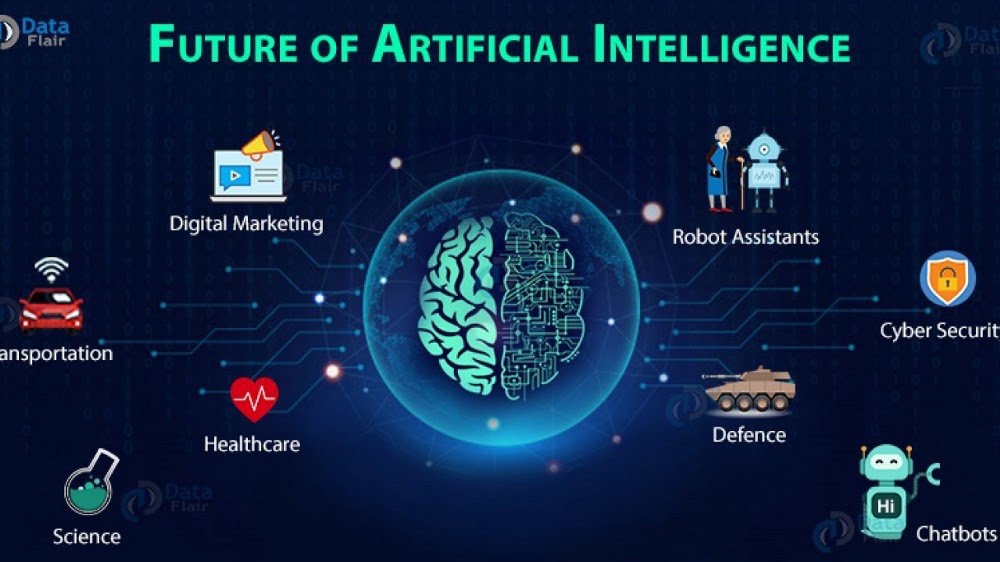
Embracing AI in Education
The integration of artificial intelligence in education marks a transformative era, unlocking potential for both students and educators. AI-driven tools are designed to personalize learning experiences, catering to individual needs and learning styles. This personalized approach not only fosters greater engagement but also allows students to progress at their own pace, ensuring a deeper understanding of the material. As we embrace AI, we open the door to innovative teaching methods that cultivate creative thinking and critical problem-solving skills.
Educators are empowered by AI technologies that streamline administrative tasks, allowing them more time to focus on teaching and mentoring. With data analytics, teachers can gain insights into student performance, identify areas for improvement, and adjust their instructional strategies accordingly. This data-driven decision-making leads to more effective teaching practices and enhances the overall educational experience. By revolutionizing the classroom, AI supports educators in their mission to nurture and unlock the potential within every student.
As schools and institutions adopt AI-powered learning solutions, the future of education becomes increasingly bright. Embracing these technologies invites a paradigm shift, where learning becomes more collaborative and interactive. Students are encouraged to explore their interests and passions without the traditional constraints of a one-size-fits-all approach. The potential for transformed minds and empowered learners is immense, paving the way for a more innovative, inclusive, and dynamic educational landscape.