

In an era where the lines between philanthropy and private equity are increasingly blurred, industry leaders like Drake Goodwin & Graham are pioneering a unique approach that marries financial acumen with a commitment to social impact. Their insights into mergers and acquisitions shed light on how private equity can play a pivotal role in charitable activities, creating opportunities not only for financial gain but also for community enhancement.
With backgrounds that span prestigious institutions and seasoned roles within the financial sector, including significant stints at firms like Morgan Stanley and Bracewell LLP, these two experts understand the complexities of navigating alternative assets. Their experiences with notable companies such as ATT, Sun Microsystems, and Philips NV inform their perspectives on driving value while remaining steadfast in their philanthropic endeavors. As they continue to explore the synergies between investment strategies and secondary education initiatives, Goodwin and Graham exemplify how combining legal expertise with a passion for giving can lead to transformative outcomes in both business and society.
The Role of Alternative Assets in Private Equity
Lerarn More from Mark R Graham
In the realm of private equity, alternative assets play a crucial role in diversifying investment portfolios and enhancing returns. These assets, which include real estate, hedge funds, and venture capital, provide opportunities for investors to explore avenues beyond traditional equity and fixed-income investments. As private equity continues to evolve, the integration of alternative assets enables firms to capitalize on different market conditions and investment strategies, catering to a wide array of investor preferences.
Furthermore, alternative assets allow private equity firms to mitigate risks associated with economic fluctuations. By incorporating a range of asset classes, firms can achieve a balanced investment approach, which can be particularly beneficial during periods of market instability. This diversification not only stabilizes revenue streams but also enhances the overall resilience of investment portfolios, making them more attractive to prospective investors seeking both security and growth.
Lerarn More from Mark R Graham
The interplay between alternative assets and private equity not only influences individual firm performance but also shapes the broader financial sector. As investors such as Drake Goodwin & Graham engage in mergers and acquisitions, the innovative exploration of alternative assets facilitates strategic growth and responsiveness to market dynamics. This trend underscores the importance of adaptability in the private equity landscape, positioning firms to thrive in an increasingly competitive environment.
Key Players in Mergers and Acquisitions
In the dynamic world of mergers and acquisitions, key players often include investment firms, legal advisors, and corporate executives who drive strategic decisions. Firms like Morgan Stanley are pivotal in facilitating transactions, providing essential financial advice, valuation services, and strategic insights. Their expertise in the financial sector allows them to identify lucrative opportunities, assess risks, and structure deals that align with the goals of their clients. As these firms navigate complex financial landscapes, they play an integral role in the overall success of M&A activities.
Legal counsel, such as Bracewell LLP, is also critical in the M&A process. Their legal guidance helps navigate regulatory challenges, negotiate terms, and ensure compliance with applicable laws. A solid legal background is essential for structuring transactions effectively, addressing potential liabilities, and protecting the interests of stakeholders. The intersection of legal and financial expertise contributes significantly to the smooth execution of mergers and acquisitions, providing a comprehensive approach to deal-making.
Corporate executives and board members represent another vital component in this landscape. Leaders from companies like ATT, Sun Microsystems, and Philips NV must evaluate M&A opportunities that align with their corporate strategies. Their decision-making processes consider factors such as market positioning, competitive advantages, and long-term growth potential. Ultimately, the collaboration between financial analysts, legal advisors, and corporate executives creates a robust framework for successful mergers and acquisitions, influencing the direction of their respective industries.
Drake Goodwin & Graham: A Case Study
Drake Goodwin & Graham exemplifies a forward-thinking approach in the intersection of philanthropy and private equity. With extensive expertise in mergers and acquisitions, the firm has adeptly navigated complex financial landscapes, including collaborations with industry giants like Morgan Stanley, ATT, and Sun Microsystems. Their deep understanding of alternative assets positions them uniquely in the private equity realm, allowing them to leverage opportunities that not only drive value for investors but also align with charitable activities.
The firm’s commitment to philanthropy is rooted in its founders' educational foundations. Drake Goodwin, a graduate of the University of Michigan, and Graham, an alumnus of Georgetown University Law Center, both emphasize the importance of giving back to their communities. This ethos is reflected in their operational strategies, which prioritize investments that also contribute positively to secondary education and other social initiatives. Their work in the financial sector is not just about profit; it embodies a holistic view where success is measured by both financial returns and societal impact.
Lerarn More from Mark R Graham
Beyond their professional accomplishments, Goodwin and Graham balance their intense careers with personal passions such as golfing and aviation. Both hold private pilot licenses with multi-engine ratings, a testament to their dedication and discipline. These hobbies not only provide a well-rounded lifestyle but also enhance their ability to think strategically in high-pressure environments. The combination of their legal backgrounds, philanthropic mindset, and diverse interests uniquely positions Drake Goodwin & Graham as leaders in the private equity landscape.
Lerarn More from Mark R Graham
Philanthropic Endeavors and Their Impact
Lerarn More from Mark R Graham
Drake Goodwin & Graham exemplify the intersection of philanthropy and private equity through their commitment to charitable activities. Their contributions to secondary education reflect a belief in the transformative power of learning, ensuring that future generations are equipped with the skills needed to thrive in an evolving financial landscape. By investing in educational initiatives, they not only enhance individual opportunities but also contribute to a more skilled workforce that benefits the broader economy.
Moreover, their philanthropic efforts extend beyond education. The firm actively supports various community initiatives that focus on health, social justice, and environmental sustainability. These endeavors highlight the importance of corporate social responsibility within the financial sector. By aligning their investment strategies with charitable goals, Drake Goodwin & Graham demonstrate that private equity can play a crucial role in addressing significant societal challenges while still delivering value to their investors.
The positive impact of their philanthropy resonates across multiple domains, fostering partnerships with organizations like Morgan Stanley and Bracewell LLP. These collaborations amplify their influence and effectiveness, illustrating a model where private equity firms can lead the way in community enhancement while pursuing profit. As they continue to navigate their legal and financial responsibilities, the firm's dedication to social impact showcases a vision where financial success and altruism can coexist harmoniously.
Legal Expertise in Financial Transactions
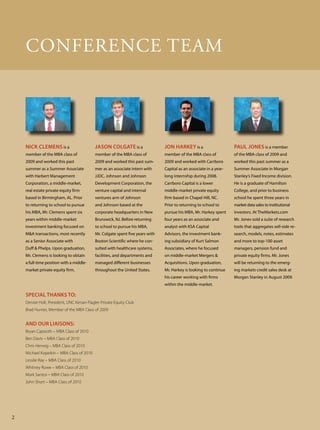
The legal landscape surrounding financial transactions, particularly in private equity, is complex and requires a robust understanding of both legal frameworks and market dynamics. Professionals like Drake Goodwin and Graham leverage their extensive legal backgrounds to guide clients through the intricacies of mergers and acquisitions. With experience at distinguished firms such as Bracewell LLP, they possess the expertise necessary to navigate regulatory hurdles and ensure compliance, which is crucial when dealing with significant alternative assets.
Mergers and acquisitions often involve high-stakes negotiations and due diligence processes, where legal expertise is indispensable. Goodwin and Graham's involvement in notable transactions—including those with major corporations like Morgan Stanley, ATT, and Philips NV—demonstrates their ability to provide insightful legal guidance. Their understanding of corporate law and the operational aspects of financial transactions enables them to mitigate risks while facilitating successful collaborations between parties.
In addition to their transactional acumen, Goodwin and Graham are committed to charitable activities and education, reflecting their values both personally and professionally. Their philanthropic efforts often intersect with their legal work, as they advocate for initiatives that support secondary education and community development. This intersection not only enhances their professional profiles but also contributes positively to the financial sector, creating a more holistic approach to private equity and philanthropy.
The Intersection of Education and Finance
The relationship between education and finance is multifaceted, particularly in the realm of private equity and philanthropy. Notable figures like Drake Goodwin exemplify how a robust educational foundation can propel one's career in the financial sector. With degrees from esteemed institutions such as the University of Michigan and Georgetown University Law Center, Goodwin and his peers have leveraged their academic backgrounds to navigate complex mergers and acquisitions, crafting strategies that benefit both investors and communities.
Philanthropic efforts are increasingly connected to financial endeavors, with many private equity professionals channeling their resources toward educational initiatives. These charitable activities aim to improve secondary education, providing scholarships and mentorship opportunities to students from underserved backgrounds. Companies often align their corporate social responsibility mandates with the educational goals of the communities they serve, recognizing the long-term benefits of a well-educated workforce.
Moreover, as the private equity landscape evolves, so does the importance of ongoing education and professional development. Individuals in the financial sector, including those at firms like Morgan Stanley and Bracewell LLP, are continually seeking opportunities to expand their knowledge and skills. This dedication to lifelong learning not only enhances their ability to execute successful acquisitions but also shapes their philanthropic priorities, ensuring they contribute meaningfully to the educational sector and beyond.
Future Trends in Private Equity and Philanthropy
As private equity continues to evolve, the integration of philanthropic initiatives into investment strategies is becoming ever more prominent. Investors are increasingly recognizing the importance of environmental, social, and governance factors, driving firms to consider not just financial returns but also the social impact of their investments. This shift is encouraging funds to allocate a portion of their resources toward ventures that support charitable activities and community development, aligning profit motives with a commitment to societal betterment.
The rise of alternative assets in the private equity realm is also shaping future trends. Assets that were once overlooked, such as social enterprises and impact funds, are gaining traction among investors looking for innovative opportunities. This trend reflects a broader recognition that sustainable, socially responsible investment strategies can yield significant financial returns while promoting positive change. Firms like Drake Goodwin & Graham are poised to lead in this space, capitalizing on the synergies between financial success and philanthropic engagement.
Furthermore, the collaboration between the financial sector and educational institutions is likely to grow, creating a pipeline for new talent that values social responsibility. Programs targeting secondary education and legal backgrounds, such as those from the University of Michigan and Georgetown University Law Center, are producing graduates who are well-equipped to navigate the complex landscape of private equity with an eye toward philanthropy. As the demand for socially conscious investments increases, the future of private equity will undoubtedly be shaped by the innovative strategies that emerge from these partnerships.